


What Is the Normal Blood Sugar Level? A Comprehensive Guide for People with Diabetes


What Is the Normal Blood Sugar Level? A Comprehensive Guide for People with Diabetes
Are you wondering what your blood sugar numbers should really be? You're not alone. This guide breaks down normal blood sugar levels and what they mean for your health.
Living with diabetes means constantly monitoring your blood sugar, but understanding those numbers can feel confusing. What's considered "normal" for one person might be different for another, and knowing your target range is essential for staying healthy and preventing complications.
Whether you're newly diagnosed or have been managing diabetes for years, this article will help you understand blood sugar levels clearly. We'll cover normal ranges, what affects your numbers, and how to track your progress effectively.
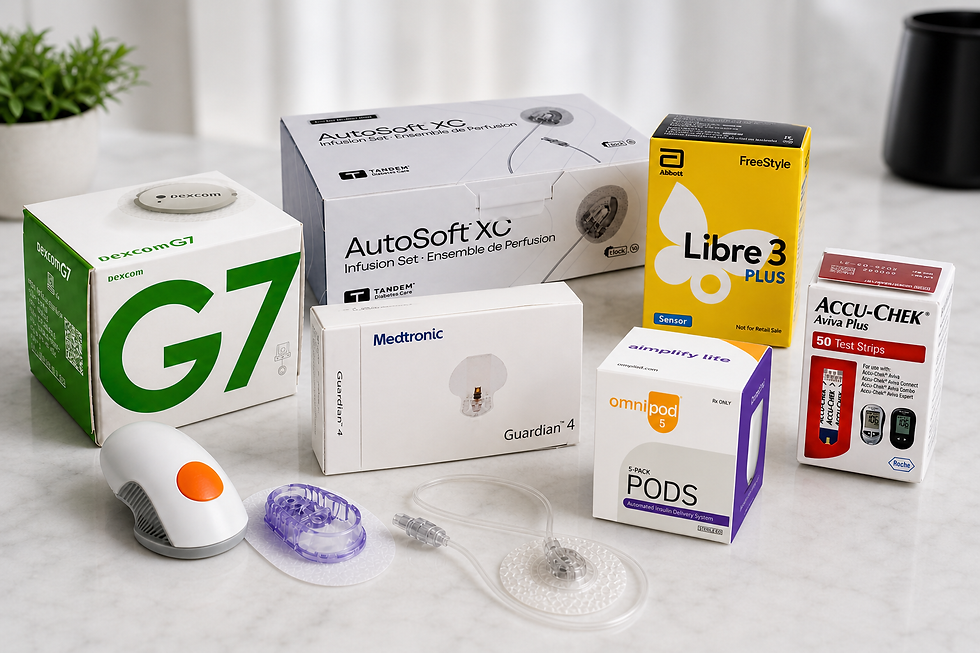
If you have extra, unopened diabetic supplies, we offer a way to turn them into cash. Contact us today to learn more about how you can benefit.
Understanding Normal Blood Sugar Levels: A Quick Overview
Blood sugar, or blood glucose, is the main sugar found in your blood. It comes from the food you eat and is your body's primary energy source. However, keeping these levels within a healthy range is critical—especially for people with diabetes.
What Is a Normal Blood Sugar Level for People Without Diabetes?
For individuals without diabetes, normal blood sugar levels are tightly regulated by the body. According to guidelines from the American Diabetes Association (ADA), the normal ranges are :
Fasting (before eating): 70–99 mg/dL
1–2 hours after a meal: Less than 140 mg/dL
HbA1c (average over 2–3 months): Below 5.7%
These levels show that the body is processing glucose efficiently without extra help.
What Is a Normal Blood Sugar Level for People with Diabetes?
If you have diabetes, your target ranges will be higher than those without the condition. The ADA recommends general targets for most non-pregnant adults with diabetes :
Fasting (before a meal): 80–130 mg/dL
1–2 hours after a meal: Less than 180 mg/dL
HbA1c: Below 7%
It's crucial to remember that these are *general* guidelines. Your doctor may set different targets based on your age, overall health, how long you've had diabetes, and other personal factors. Some people, especially older adults or those with other health conditions, may have slightly higher targets to reduce the risk of dangerously low blood sugar.
Why Knowing Your Blood Sugar Numbers Matters
Understanding your blood sugar levels helps you and your healthcare team make informed decisions about your diet, exercise, and medication. Maintaining levels within your target range can help you:
Prevent short-term complications like hypoglycemia (low blood sugar) and hyperglycemia (high blood sugar).
Reduce the risk of long-term complications, including nerve damage, kidney disease, vision problems, and heart disease.
Feel better and have more energy throughout the day.
Make informed choices about what to eat and when to be active.
Blood Sugar Level Chart: Normal, Prediabetes, and Diabetes
To make things clearer, here is a breakdown of blood sugar levels based on diagnostic criteria set by the American Diabetes Association .
| Category | Fasting (mg/dL) | 2 Hours After Meal (mg/dL) | HbA1c (%) |
| :--- | :--- | :--- | :--- |
*Normal* Below 100 | Below 140 | Below 5.7 |
*Prediabetes* 100–125 | 140–199 | 5.7–6.4 |
*Diabetes* 126 or above | 200 or above | 6.5 or above |
If your levels fall into the prediabetes range, it's a warning sign. This means your blood sugar is higher than normal but not yet high enough to be diagnosed as diabetes. The good news is that prediabetes is often reversible through lifestyle changes like diet and exercise.
Key Measurements: Fasting, Post-Meal, and HbA1c
Blood sugar levels are measured in different ways, each providing unique information .
Fasting Blood Sugar
What it is: Your blood sugar level after not eating or drinking anything (except water) for at least 8 hours. Usually taken first thing in the morning.
What it tells you: This is your body's baseline glucose level. It shows how well your body manages sugar when you're not consuming food.
Normal range: 70-100 mg/dL (non-diabetic) / 80-130 mg/dL (target for diabetics) .
Post-Meal (Postprandial) Blood Sugar
What it is: Your blood sugar level measured after eating, typically 1-2 hours after a meal.
What it tells you: It shows how your body responds to the carbohydrates and sugars you just ate. This is a critical indicator of how well your diabetes management plan is working.
Normal range: Below 140 mg/dL (non-diabetic) / Below 180 mg/dL (target for diabetics).
HbA1c (Glycated Hemoglobin)
What it is: A blood test that measures your average blood sugar level over the past 2–3 months.
What it tells you: Unlike daily finger-stick tests, the HbA1c test gives you the "big picture." It shows how well your blood sugar has been controlled over time, which is the best indicator of your risk for long-term complications.
Normal range: Below 5.7% (non-diabetic) / Below 7% (target for diabetics) .
Real-World Example: Understanding Your Numbers
Meet Michael from Oakland, CA.
Michael is 58 years old and was diagnosed with type 2 diabetes two years ago. He's diligent about checking his blood sugar. One morning, he tests his fasting blood and gets a reading of 125 mg/dL. He knows his target is 80-130 mg/dL, so this is within range but on the higher side.
He has a good lunch—a turkey sandwich on whole-wheat bread with a side salad. Two hours later, he tests his post-meal blood sugar, and it reads 165 mg/dL. This is below the 180 mg/dL target, so he's happy his meal didn't cause a big spike.
At his next doctor's appointment, his **HbA1c** comes back at 6.8%. This is below the 7% target, confirming his overall management is working well. However, the slightly high fasting numbers might mean his doctor will discuss adjusting his medication or evening snack.
Michael's situation shows how using all three measurements—fasting, post-meal, and HbA1c—gives a complete picture of diabetes management.
Factors That Can Affect Your Blood Sugar Levels
Many things can cause your blood sugar to go up or down. Understanding these factors helps you gain better control:
Food: What you eat, how much, and the timing of your meals.
Physical Activity: Exercise can lower your blood sugar, sometimes hours later.
Medications: Insulin and other diabetes medications are designed to lower your blood sugar. Taking too much can lead to hypoglycemia.
Illness or Stress: Being sick or under stress can increase your blood sugar levels as your body releases hormones to fight the illness or stress.
Sleep: Poor sleep can affect your body's ability to use insulin effectively.
Related Questions (Semantic SEO)
How Often Should I Check My Blood Sugar?
This depends on your diabetes type and your treatment plan. People taking insulin often test multiple times a day. Your doctor will give you a schedule tailored to you.
What Is a Dangerous Blood Sugar Level?
A dangerously low level is typically below 70 mg/dL (hypoglycemia). A dangerously high level is usually above 300 mg/dL, requiring immediate medical attention .
What Should My Blood Sugar Be 3 Hours After Eating?
By 3 hours after a meal, your blood sugar should be returning to your pre-meal fasting levels, ideally around 80-120 mg/dL .
Does Age Affect Normal Blood Sugar Levels?
While diagnostic criteria are similar for adults, targets for older adults (65+) may be slightly higher to avoid hypoglycemia. For example, a fasting target might be 80-110 mg/dL. Always follow your healthcare provider's advice .
Frequently Asked Questions (FAQ)
1. What is a normal blood sugar level for a non-diabetic?
For a person without diabetes, a normal fasting blood sugar is between 70 and 99 mg/dL, and less than 140 mg/dL 1-2 hours after a meal .
2. What is a good blood sugar level for type 2 diabetes?
The ADA recommends a target of 80-130 mg/dL before meals and less than 180 mg/dL 1-2 hours after meals for most adults with type 2 diabetes. Always check with your doctor for your personal targets .
3. What is the ideal HbA1c level?
For most people with diabetes, an HbA1c below 7% is a common target. For people without diabetes, it's below 5.7%. Your doctor may adjust this target based on your individual health needs .
4. Can I get cash for my unused diabetic supplies?
Yes! If you have unused, unexpired diabetic test strips and supplies, you can turn them into cash . We provide a valuable service to the Oakland and Bay Area community.
5. How can I lower my blood sugar quickly?
Physical activity, like taking a brisk walk, can help lower blood sugar. If it's dangerously high, seek immediate medical attention. Check with your doctor for a plan tailored to you .
Conclusion & Call to Action
Managing your blood sugar is a journey. Knowing your target levels is the first and most important step in taking control of your health. By understanding what your fasting, post-meal, and HbA1c numbers mean, you can make better daily decisions and work with your healthcare team to prevent long-term complications.
If you live in Oakland, CA, or the greater Bay Area and have unused diabetic test strips and supplies, we can help you get cash for them. We pay top dollar and offer a fast, confidential service.
Call or text us today for a free quote and to schedule a local pickup! Let us help you turn your unneeded supplies into cash.


Comments