


What Is the Best Breakfast for Diabetics? A Guide to Morning Meals That Keep Blood Sugar Stable

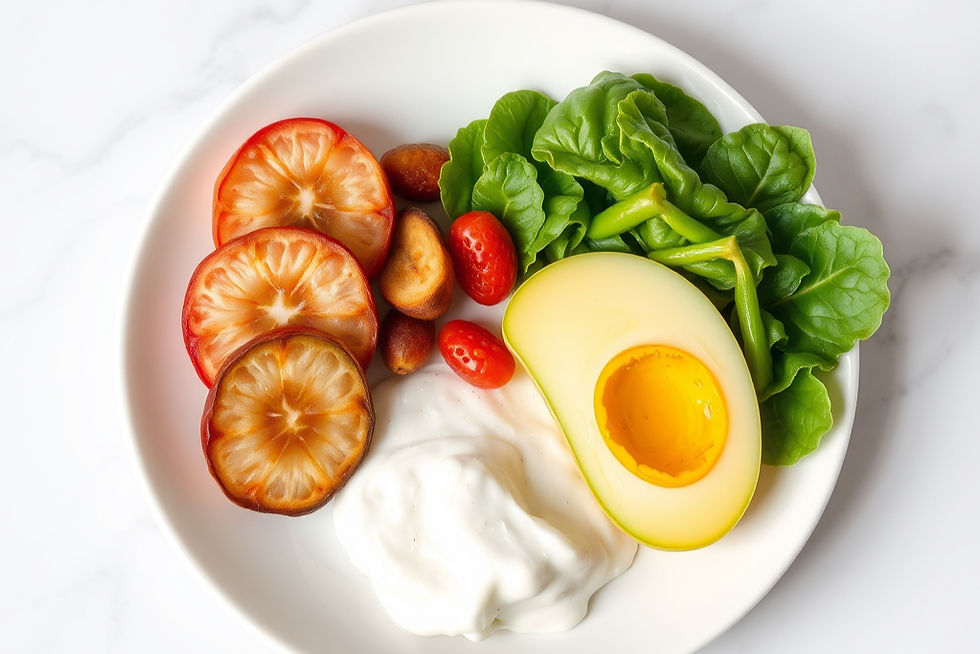
What Is the Best Breakfast for Diabetics? A Guide to Morning Meals That Keep Blood Sugar Stable
Starting your day with the right breakfast is one of the most powerful steps you can take to manage diabetes. After a night of fasting, your body needs fuel—but the wrong choices can send blood sugar soaring before you've even finished your coffee. So, what is the best breakfast for diabetics? The answer isn't a single food, but a strategy: combining fiber, protein, and healthy fats to stabilize glucose levels and sustain energy. We pay cash for diabetic supplies, and we're committed to helping our community in Oakland and the greater Bay Area live healthier lives. Let's break down how to build a breakfast that works for you.
Why Breakfast Matters for Blood Sugar Control
When you wake up, your body has been without food for 8–12 hours. Your liver releases stored glucose to keep you going, but for people with diabetes, this natural process can lead to elevated fasting blood sugar known as the dawn phenomenon. Eating a balanced breakfast signals your body that fuel is available, helping to regulate this release and set a stable blood sugar pattern for the rest of the day.
Skipping breakfast can backfire. It may lead to overeating later or reaching for quick, high-carb snacks that cause dramatic spikes. The goal is to start with a meal that provides steady energy and supports your diabetes management plan.
The Golden Rule: Pair Carbs with Protein and Fat
The most important principle for a diabetic-friendly breakfast is simple: never eat carbohydrates alone. When you eat carbs by themselves, they break down quickly into glucose, causing a rapid blood sugar spike. Adding protein and healthy fats slows digestion, allowing glucose to enter your bloodstream more gradually and reducing the spike.
Think of it like a fire. Carbs are the kindling—they burn fast and hot. Protein and fat are the logs—they keep the fire burning steadily for hours.
Best Breakfast Foods for Diabetics
Let's look at specific foods that fit this strategy and are backed by research and expert guidance.
Eggs: A Protein Powerhouse
Eggs are an excellent choice. They're rich in high-quality protein, which promotes satiety and helps stabilize blood sugar. The American Heart Association now recommends that people with diabetes can eat one to two eggs daily. The key is moderation and preparation—avoid frying them in excessive butter or oil. A spinach and mushroom frittata is a fantastic option, offering protein and non-starchy vegetables without a carb overload.
Oatmeal: Choose Fiber-Rich, Slow-Digesting Carbs
Oatmeal is a breakfast staple, but not all oatmeal is created equal. Steel-cut or old-fashioned rolled oats are high in fiber, which slows carbohydrate digestion. A half-cup of rolled oats contains about 28 grams of carbs, which counts as roughly two carb servings. To balance it, pair your oatmeal with protein. Add a scoop of protein powder, mix in some nuts, or use milk instead of water. Top with berries for natural sweetness and extra fiber.
Greek Yogurt: A Quick, Balanced Option
Greek yogurt (strained yogurt) is higher in protein than regular yogurt, making it an ideal base for a quick breakfast. Pair it with berries and a handful of nuts for a meal that provides protein, fiber, and healthy fats. This combination helps maintain steady blood sugar levels and keeps you feeling full until lunch.
Breakfast Meats: Choose Wisely
Bacon, ham, and sausage are good protein sources, but they are often high in sodium and saturated fat. Since people with diabetes have a higher risk of heart disease, these should be eaten in moderation. Healthier protein alternatives include lean turkey sausage or Canadian bacon.
Fruit: Yes, You Can Eat It
Despite their sugar content, fruits are not off-limits. Their fiber content helps balance their natural sugars, slowing absorption. The key is portion control and pairing. A small piece of whole fruit or a half-cup of berries with Greek yogurt is a good choice. Avoid fruit juice, which is high in sugar and lacks the fiber to slow digestion.
Bread and Grains: Go Whole Grain
White bread, bagels, and muffins made with refined flour are digested quickly and can cause a rapid blood sugar spike. Choose whole-grain options instead. A whole-wheat English muffin or a slice of whole-grain toast provides fiber and pairs well with eggs or avocado. Even a mini bagel can be manageable if you choose a whole-grain variety and pair it with protein like salmon or eggs.
Cereal: Read the Label
Cold cereals are convenient, but many are loaded with added sugar. If you choose cereal, look for brands with at least 3 grams of fiber per serving and minimal added sugar. Measure your serving carefully—it's easy to pour double the recommended amount, which means double the carbs and sugar.
The Power of Meal Sequencing
What you eat matters, but so does the order. Research suggests that eating vegetables, protein, and fat before carbohydrates can significantly reduce post-meal blood sugar spikes—by up to 44% in some studies.
For breakfast, this could mean:
Eating your scrambled eggs with vegetables before your toast.
Having a handful of nuts or a few bites of Greek yogurt before your oatmeal.
Starting your meal with a small salad or vegetable side if you're having a bagel.
This simple change can have a powerful impact on your glucose levels without forcing you to eliminate foods you enjoy.
Sample Diabetic-Friendly Breakfasts
Here are some balanced meal ideas that apply these principles:
Breakfast Idea | Why It Works
Spinach and Mushroom Frittata with whole-grain toast : High in protein and fiber from vegetables, moderate carbs from toast.
Greek yogurt with berries and walnuts : Protein, fat, and fiber balance the natural sugars in the berries.
Oatmeal made with milk, topped with cinnamon and sliced almonds : High-fiber carbs balanced with protein and healthy fats.
Whole-wheat toast with avocado and a poached egg : Healthy fats, protein, and complex carbs for steady energy.
Egg and bean burrito on a whole-wheat tortilla : Beans provide fiber and protein, whole-wheat tortilla offers complex carbs.
Expert Insights: A Real-World Example
Let's look at a real example from a certified diabetes care and education specialist (CDCES) who lives with type 1 diabetes. They recommend these golden habits
Don't eat carbs alone. Always pair them with protein and fat to slow absorption.
Choose slow-digesting carbs. Focus on high-fiber, nutrient-dense options like oats and whole grains.
Save carbs for last. Eat protein and vegetables first to blunt the glucose spike from the carbs that follow.
This expert approach goes beyond generic advice. It's a practical, science-backed strategy that can be adapted to your preferences and lifestyle. Managing diabetes is about making smarter choices, not eliminating all the foods you love.
FAQ: Common Questions About Breakfast and Diabetes
Is it OK for a diabetic to skip breakfast?
Skipping breakfast can lead to blood sugar fluctuations and may cause overeating later in the day. It's generally recommended to eat a balanced breakfast to stabilize glucose levels.
Can I eat potatoes for breakfast?
Yes, but preparation matters. Boiled or steamed potatoes are better than fried hash browns. Pair them with a protein like eggs to slow digestion.
How many carbs should I eat for breakfast?
This depends on your individual needs. A general starting point is about 45–60 grams of carbs (or 3–4 carb servings), but you should work with a dietitian or educator to find the right amount for you.
Can I have coffee or tea?
Yes. Black coffee or tea is fine. Avoid adding sugar, honey, or high-fat creamers. Use low-fat milk or a sugar-free sweetener instead.
What if I don't have time to cook?
There are many quick options. Greek yogurt with berries and nuts takes minutes. You can also prepare egg bites or breakfast bars in advance for a grab-and-go meal.
Managing Diabetes in the Bay Area
Living in the Oakland and greater Bay Area, you have access to excellent healthcare resources. Start by working with your healthcare team to develop a personalized eating plan that fits your lifestyle. Your doctor can refer you to a registered dietitian or certified diabetes educator who understands the nuances of diabetes management and can help you build practical, sustainable habits.

A Final Word
Finding the best breakfast for diabetes isn't about deprivation. It's about building a meal that combines protein, fiber, and healthy fats to help you start your day with stable blood sugar. The goal is to create a sustainable routine that fits your tastes and lifestyle.
If you have unused diabetic supplies, we pay cash for diabetic supplies, providing a convenient way to recoup value and ensure your extra supplies help others in need. Contact us today to learn more.

Comments