


Signs Your Blood Sugar Is Too High: What Every Person with Diabetes Needs to Know
- Christina Rouse
- Jul 27
- 5 min read


Signs Your Blood Sugar Is Too High: What Every Person with Diabetes Needs to Know
Do you know the warning signs of hyperglycemia? Catching high blood sugar early can prevent serious complications and keep you healthy.
Living with diabetes means staying vigilant about your blood sugar levels. While monitoring is routine, high blood sugar—also called hyperglycemia—can creep up on you. Sometimes, symptoms don't appear until your levels are significantly elevated. In fact, hyperglycemia usually doesn't cause symptoms until blood sugar reaches above 180 to 200 mg/dL .
The longer your blood sugar stays high, the more serious the symptoms can become. But some people with long-standing type 2 diabetes may not show any symptoms at all, even with high levels .
That's why knowing the signs is essential. This guide covers the five most common warning signs of hyperglycemia, explains what they mean, and gives you actionable steps to take control.
If you have extra, unopened diabetic supplies, we pay cash for diabetic supplies in Oakland, CA and the greater Bay Area. Contact us today to turn your unneeded items into cash.
What Is Hyperglycemia?
Hyperglycemia is the medical term for high blood glucose (sugar). When your body doesn't produce enough insulin or can't use it effectively, sugar builds up in your bloodstream instead of moving into your cells for energy .
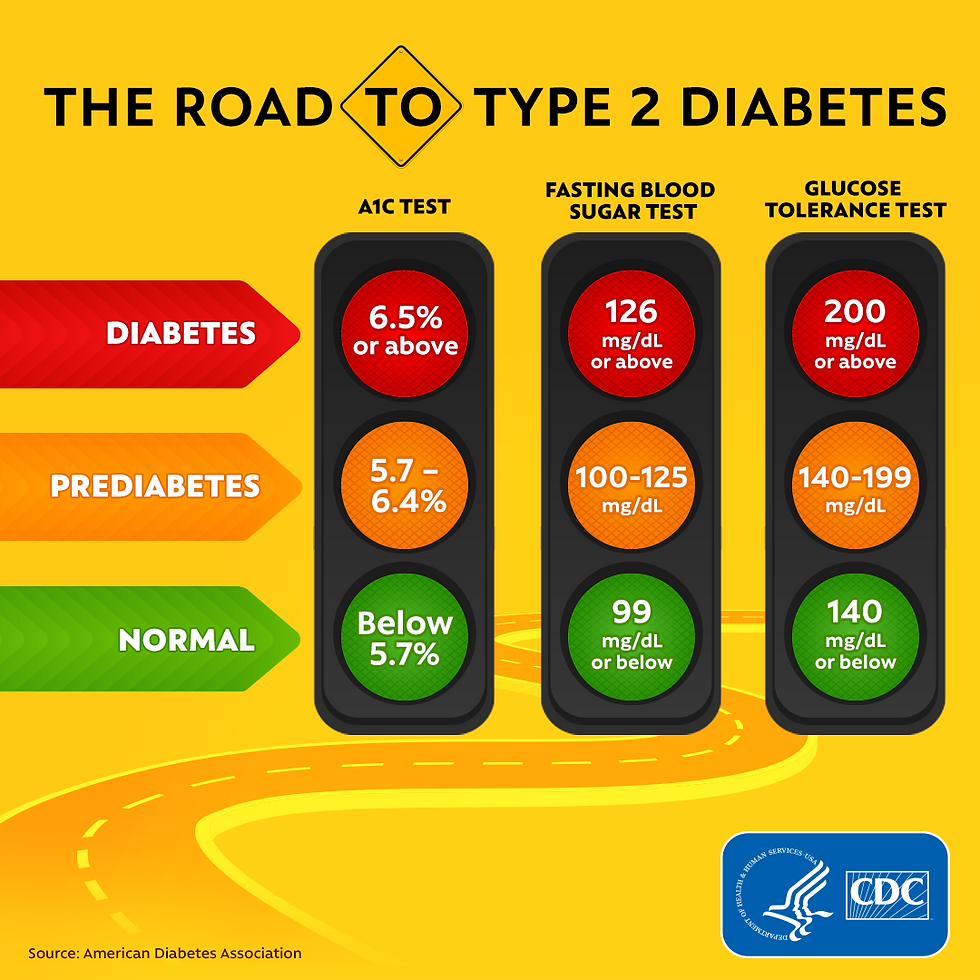
A blood sugar reading above 180 mg/dL is generally considered too high, while a reading of 300 mg/dL or more is dangerous and requires immediate medical attention . If you have two readings of 300 or above in a row, call your healthcare provider right away .
The 5 Key Signs Your Blood Sugar Is Too High
1. Excessive Thirst and Dry Mouth
Feeling constantly thirsty, even after drinking fluids, is one of the most common early signs of hyperglycemia.
Here's what's happening: when there's too much sugar in your blood, your kidneys work overtime to filter it out. This pulls fluid from your body's tissues, leading to dehydration. Your brain detects this fluid loss and triggers the thirst response, making you feel like you can't drink enough water .
What to do: If you notice persistent thirst, check your blood sugar immediately. Don't ignore it, especially if you're also urinating frequently.
2. Frequent Urination
Going to the bathroom more often—especially waking up multiple times during the night to urinate—is another hallmark symptom .
Your kidneys work to flush excess glucose out of your body through urine. This increased urination is your body's attempt to get rid of the extra sugar. The medical term for this is polyuria .
What to do: Track how often you're urinating. If it's significantly more than usual, check your blood sugar. Also, make sure you're staying hydrated to replace the fluids you're losing.
3. Blurred Vision
If your vision suddenly seems fuzzy or out of focus, high blood sugar could be the culprit.
High glucose levels cause fluid to shift in and out of your eye's lenses. This fluid imbalance changes the shape of the lens, making it harder to focus clearly . While temporary, repeated episodes of high blood sugar can lead to more permanent eye damage over time.
What to do: If your vision is blurry, check your blood sugar. Don't get new eyeglasses until your levels are stable for a few days, as your prescription could change when your sugar normalizes. If blurry vision persists, see an eye doctor.
4. Persistent Fatigue and Weakness
Feeling tired, weak, or lacking energy even after adequate rest is a common and frustrating symptom .
This happens because sugar isn't effectively entering your cells to be used as fuel. Without this energy source, your body feels drained. Additionally, dehydration from frequent urination can make fatigue worse .
What to do: When you feel unusually fatigued, don't assume it's just a bad day. Check your blood sugar. If it's high, treat it according to your healthcare provider's plan. If you're experiencing fatigue along with other symptoms like nausea or confusion, seek medical help immediately.
5. Unexplained Weight Loss
Losing weight without changing your diet or activity level is a serious warning sign .
When your body can't use glucose for energy, it starts breaking down fat and muscle tissue as alternative fuel sources . This process can lead to noticeable weight loss even if you're eating more than usual.
What to do: Unintentional weight loss accompanied by high blood sugar is a sign that your body is in a severely imbalanced state. Contact your healthcare provider right away.
Real-World Example: Recognizing the Signs
Maria's Story from Oakland, CA
Maria, a 62-year-old with type 2 diabetes, noticed she was drinking more water than usual but still felt thirsty. She also woke up three times during the night to use the bathroom. She initially thought she was just getting older.
When she started feeling tired and noticed her vision was slightly blurry while reading, she decided to check her blood sugar. It read 210 mg/dL—well above her target range.
Maria called her doctor, who adjusted her medication and meal plan. By recognizing the signs early, Maria prevented her blood sugar from climbing higher and avoided a potential emergency.
Other Signs to Watch For
In addition to the five main symptoms, hyperglycemia can also cause:
Numbness or tingling in your feet or hands
Slow-healing cuts and sores
Frequent infections, such as urinary tract infections or yeast infections
Increased hunger, even after eating
When to Seek Emergency Care: Warning Signs of Ketoacidosis
If hyperglycemia goes untreated, it can lead to diabetic ketoacidosis (DKA)—a life-threatening condition where toxic acids called ketones build up in your blood and urine .
Seek immediate medical attention if you experience:
Fruity-smelling breath
Dry mouth or severe thirst
Nausea and vomiting
Abdominal pain
Shortness of breath
Confusion, weakness, or loss of consciousness
If others notice you're acting confused, this is a medical emergency. Go to the hospital immediately .
What Causes High Blood Sugar?
Several factors can cause your blood sugar to spike :
Eating more carbohydrates than usual
Not taking enough insulin or diabetes medication
Skipping doses of insulin or other medications
Being sick (like having a cold or infection)
Experiencing physical or emotional stress
Reduced physical activity
Frequently Asked Questions (FAQ)
1. What blood sugar level is considered too high?
Generally, a blood sugar reading above 180 mg/dL is considered high. A reading of 300 mg/dL or more is dangerous and requires immediate medical attention .
2. Can I have high blood sugar without any symptoms?
Yes. Hyperglycemia often doesn't cause symptoms until blood sugar levels exceed 180-200 mg/dL. Some people with long-term type 2 diabetes may not have symptoms even with much higher levels .
3. How can I lower my blood sugar quickly?
Check your blood sugar first. If it's moderately high, physical activity like walking can help bring it down. However, if your blood sugar is above 240 mg/dL, check for ketones before exercising, as exercise can make ketoacidosis worse. Follow your healthcare provider's plan for treating high blood sugar.
4. How often should I check my blood sugar?
This depends on your treatment plan. People taking insulin often test multiple times daily. Your healthcare provider will give you a personalized testing schedule.
5. Can I sell my unused diabetic test strips and supplies?
Yes! If you have unopened, unexpired diabetic supplies that you no longer need, **we pay cash for diabetic supplies** in Oakland and the greater Bay Area. Contact us for a free quote and local pickup.

Conclusion
Recognizing the signs of high blood sugar is a crucial skill for managing diabetes effectively. By staying alert to symptoms like excessive thirst, frequent urination, blurred vision, fatigue, and unexplained weight loss, you can take action quickly and avoid serious complications.
If you live in Oakland, CA, or the greater Bay Area and have unused diabetic test strips and supplies, we can help you get cash for them. We pay cash for diabetic supplies and offer a fast, confidential, and local service.
Call or text us today for a free quote! Let us help you turn your unneeded supplies into cash.

Comments