


Foods That May Help Support Healthy Blood Sugar Levels
- Christina Rouse
- Jul 17
- 7 min read

Updated: Jul 18
Introduction: Managing Diabetes in the Bay Area Starts With What’s on Your Plate

If you live in Oakland or anywhere across the Bay Area, you know the cost of managing diabetes can feel like a second rent payment. Between CGM sensors, test strips, insulin pump supplies, and all the other necessities, the financial burden is real. But here’s something that doesn’t have to cost a fortune: the food on your plate.
The truth is, what you eat plays a massive role in how well you manage your blood sugar. And while there’s no single “magic” food that cures diabetes, there are plenty of delicious, nutrient-dense options that can help keep your glucose levels steady. The best part? Many of these foods are affordable, easy to find, and fit right into the diverse food culture we have here in the Bay Area.
But let’s be honest—healthy eating is only one piece of the puzzle. What about all those unused diabetic supplies sitting in your cabinet? We pay cash for diabetic supplies, turning your surplus into money you can use for groceries, rent, or anything else that matters. Keep reading to learn which foods can support your health, plus how to get cash for your unexpired, sealed supplies.
Why Fiber is Your Best Friend for Blood Sugar Control
If you take nothing else away from this guide, remember this: fiber matters. A lot.
Fiber is a type of carbohydrate that your body doesn’t absorb or break down . Translation? It doesn’t cause the same blood sugar spike that other carbs do. Instead, fiber slows down digestion, helping to keep your glucose levels steady and stable .
There are two main types of fiber, and both are important:
Soluble fiber dissolves in water and forms a gel-like substance in your stomach. This slows digestion and helps control both blood sugar and cholesterol. You’ll find it in apples, bananas, oats, black beans, avocados, and Brussels sprouts .
Insoluble fiber doesn’t dissolve, but it helps keep you regular and improves insulin sensitivity. Whole wheat flour, bran, nuts, seeds, and fruit skins are all excellent sources.
The CDC recommends that adults eat between 22 and 34 grams of fiber each day—but most Americans only get about half that . For people with diabetes, hitting that fiber goal can make a noticeable difference in how your body responds to meals.
Top Blood Sugar-Friendly Foods to Add to Your Plate
According to experts at the Mayo Clinic and Harvard Health, the best approach isn’t about cutting out everything you love. It’s about building meals around foods that work with your body, not against it .
Non-Starchy Vegetables: The Foundation
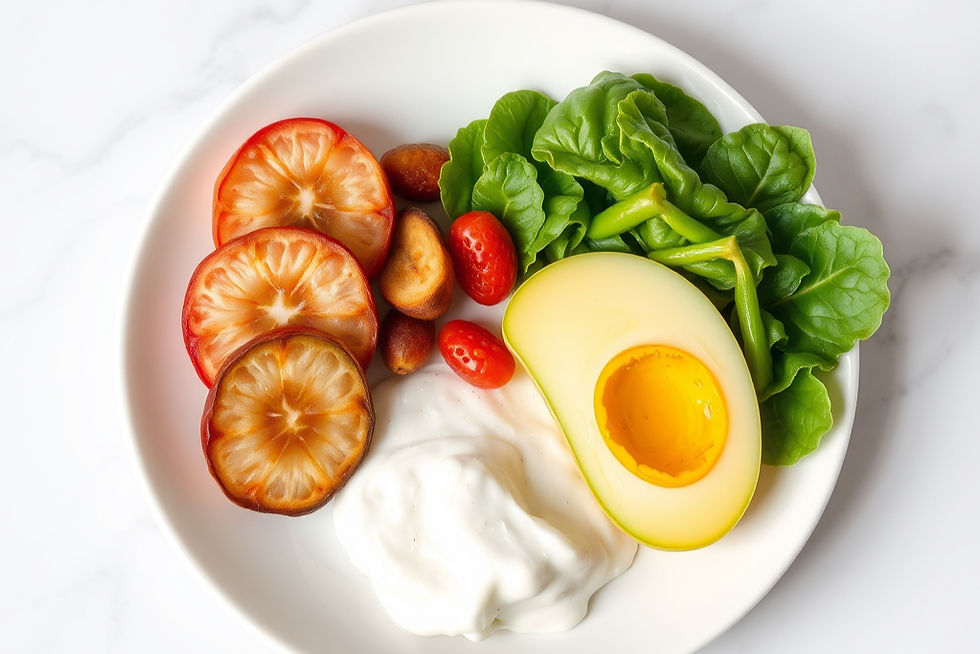
Leafy greens, broccoli, bell peppers, cauliflower, asparagus, zucchini, and tomatoes are low in carbs and calories but packed with fiber, vitamins, and minerals. They help fill you up without sending your glucose through the roof . Aim to fill half your plate with these colorful veggies.
Whole Grains: Swap the Refined Stuff
Instead of white rice, white bread, or white pasta, try quinoa, brown rice, oats, barley, or whole-wheat versions of your favorites. These complex carbs contain fiber that slows digestion, meaning a more gradual rise in blood sugar . Look for products where “whole grain” is the first ingredient.
Legumes: Tiny Powerhouses
Beans, lentils, chickpeas, and peas are rich in plant-based protein and fiber. They also contain resistant starch, which may help slow glucose absorption and support gut health . Studies have found that eating black beans may even lower inflammation markers in people with prediabetes . Swap in legumes for meat a few times a week—try a lentil chili or black bean tacos.
Fatty Fish: For Heart Health
Salmon, mackerel, sardines, and tuna are rich in omega-3 fatty acids, which support heart health—a major concern for people with diabetes. Aim for at least two servings a week.
Nuts and Seeds: Healthy Fats and Protein
Almonds, walnuts, flaxseed, and chia seeds provide healthy fats, plant-based protein, and fiber. Snack on a small handful or stir them into oatmeal and yogurt. Bonus: chia seeds contain omega-3s too.
Whole Fruits, Not Juice
Many people worry they can’t eat fruit with diabetes. Not true! Whole fruits like berries, apples, pears, and citrus are wrapped in fiber, which slows the sugar release . The American Diabetes Association recommends berries and citrus fruits in particular . Just stick with about 1/2 to 1 cup per serving and eat the whole fruit—never juice.
Eggs and Lean Proteins
Eggs are a high-quality protein source that can help manage blood sugar when eaten with carbs . Skinless chicken, turkey, and lean cuts of pork or beef also provide protein that slows digestion.
Smart Swaps for Everyday Meals
You don’t have to overhaul your entire kitchen overnight. Small changes add up. Here are some expert-backed swaps that dietitians recommend:
Swap white bread for 100% whole-grain bread. The extra fiber slows carb absorption and keeps you fuller longer .
Swap chips and dip for hummus and veggie sticks. Hummus (made from chickpeas) provides protein and fiber, and the veggies add crunch without the glucose spike .
Swap sugary cereals for oatmeal. Oats are rich in beta-glucan, a soluble fiber that helps lower fasting and post-meal blood sugar levels .
Swap traditional pasta for pulse pasta (made from chickpeas, lentils, or beans). More protein and fiber, less refined carbs .
Use pureed fruit instead of added sugar in baking. Mashed banana or unsweetened applesauce can replace sugar in many recipes—less sugar, more fiber .
What About Traditional and Cultural Foods?
This is important: you don’t have to give up your heritage to manage diabetes. The CDC emphasizes that many traditional ingredients are already healthy and versatile :
Leafy greens like collard greens, mustard greens, kale, and spinach—staples in African American soul food—are excellent for blood sugar management.
Quinoa, a major food staple in Latin America, is a great source of fiber and nutrients.
Beans, peas, and lentils are found in cuisines worldwide and provide both protein and fiber .
Simple tweaks can make your favorite dishes more diabetes-friendly. For example, use skinless chicken and brown rice instead of white rice in arroz con pollo. Swap potatoes for lentils and cauliflower in a curry. Use corn tortillas instead of flour for fajitas—they tend to be lower in carbs and calories .
Building Balanced Meals: The Plate Method
If counting carbs feels overwhelming, try the plate method recommended by the Mayo Clinic and CDC :
Use a 9-inch plate.
Fill half with non-starchy vegetables (broccoli, greens, peppers, tomatoes, etc.).
Fill one quarter with a lean protein (fish, chicken, beans, eggs).
Fill the other quarter with a healthy carbohydrate (whole grains, starchy vegetables, or fruit).
This simple approach helps you get the right balance without obsessing over numbers.
What to Limit for Better Blood Sugar
While no food is completely off-limits, some choices make it harder to manage your glucose. Try to reduce:
Sugary drinks like soda, juice, sweet tea, and sports drinks. They cause rapid spikes and add empty calories .
Refined carbs like white bread, white rice, white pasta, and sugary cereals. They digest quickly and spike blood sugar .
Highly processed snacks like chips, cookies, and candy.
Excess alcohol .
Real-World Example: Sarah’s Success Story
Let’s look at a real example. Sarah, a 58-year-old Oakland resident, had been managing type 2 diabetes for over a decade. Her morning routine used to be a bowl of sweetened cereal and orange juice—both of which sent her blood sugar soaring by mid-morning.
Working with a dietitian, she swapped her cereal for steel-cut oats topped with berries and a handful of almonds. She replaced juice with water or unsweetened tea. Within a month, her morning glucose readings dropped significantly. She also started incorporating more non-starchy vegetables into her dinners and using whole-grain bread for sandwiches.
But that’s only half the story. Sarah also had boxes of unused Dexcom G6 sensors and test strips from a prescription change. Instead of letting them expire, she reached out to us. We pay cash for diabetic supplies, and within days, she had real money in her pocket—cash she used to buy the healthier foods she now enjoys.
That’s the kind of win-win we love to see.

FAQs About Nutrition and Diabetic Supplies
Can I eat fruit if I have diabetes?
Absolutely. Whole fruits are packed with fiber, vitamins, and antioxidants. Stick to 1/2 to 1 cup per serving, eat the whole fruit (not juice), and consider pairing with a protein or fat like nuts or yogurt to slow sugar absorption .
What’s the best snack for stable blood sugar?
A balanced snack includes protein, fiber, and healthy fats. Try apple slices with peanut butter, carrots with hummus, Greek yogurt with berries, or a handful of almonds . Keep portions moderate—around 200 calories or less.
Do artificial sweeteners affect blood sugar?
Most artificial sweeteners (like stevia, sucralose, and aspartame) do not raise blood sugar . However, sugar alcohols like sorbitol and xylitol can have some impact and may cause digestive issues in some people . Moderation is key.
Yes. It is legal to sell your unused, unexpired, factory-sealed diabetic supplies as long as they were legally prescribed to you.
We purchase unopened, sealed CGM sensors (Dexcom, FreeStyle Libre), diabetic test strips, Omnipods, insulin pump supplies, and more. Visit our website for a list, or give us a call for the most accurate offer! (510) 774-2715.
Internal Linking Suggestions
Accepted Items: See exactly what diabetic supplies we buy.
Get a Quote: Get an instant cash offer for your surplus supplies.
Our Process: Learn how easy it is to sell and get paid.
About Us: Meet the local Bay Area team you can trust.
Eating well is one of the most powerful tools you have for managing diabetes. And so is having extra money to put toward your health, your groceries, or your household bills.
If you have unopened, unexpired diabetic supplies sitting in your cabinet—whether it’s Dexcom sensors, FreeStyle Libre readers, Omnipods, or test strips—don’t let them expire. We pay cash for diabetic supplies right here in Oakland and the greater Bay Area.
Here’s how simple it is:
Get a quote—tell us what you have.
Ship for free or arrange a local pickup (we’re based in the Bay Area).
Get paid fast—often within 1-2 business days.
It’s secure, transparent, and local. No faceless corporation. Just real people helping our community.
Ready to turn your surplus supplies into cash? Contact us today for a no-obligation quote. Your unused supplies have value—let’s put that money back in your pocket.
Comments