


Does Diabetes Cause Itching? What Part of the Body Itches and Why
- Christina Rouse
- Jul 18
- 7 min read


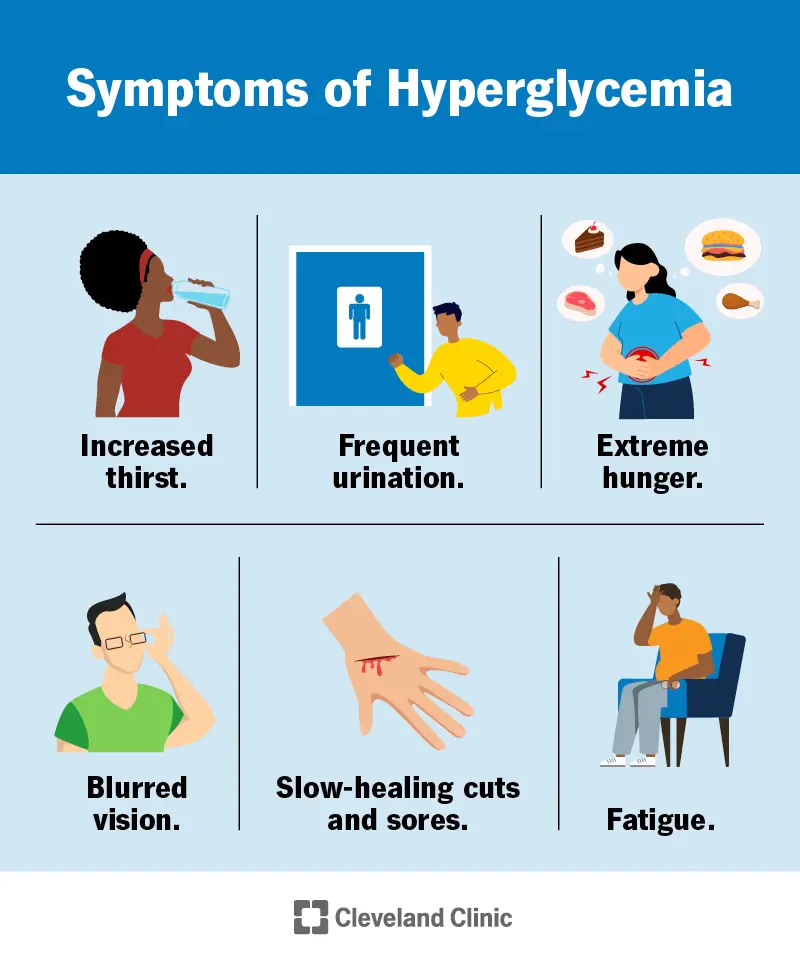
If you're living with diabetes or caring for someone who is, you've likely noticed more than just the typical symptoms like thirst and frequent urination. That persistent, nagging itch can be frustrating and sometimes concerning. Does Diabetes Cause Itching? What Part of the Body Itches and Why- Yes! Research shows that over 1/3 of people with type 2 diabetes experience itching severe enough to affect their quality of life . Understanding what part of the body itches with diabetes and why can help you take control of your symptoms and your health.
As a diabetes supplies buyer serving Oakland, CA, and the greater Bay Area, we work with people managing diabetes every day. We know that managing blood sugar is just one piece of the puzzle—skin health and nerve health are equally important. That's why we're here to help you understand the connection between diabetes and itching, so you can address the root cause and feel better.
Does Diabetes Cause Itching? What Part of the Body Itches and Why?
Itching, medically known as pruritus, occurs when nerve fibers or histamine receptors in your skin become irritated . With diabetes, several factors can trigger this irritation. The common thread is high blood sugar. When blood glucose levels remain elevated over time, it affects your circulation, nerves, and tissues, leading to a cascade of issues that make your skin itch .
High Blood Sugar and Dehydration
Elevated blood sugar causes your body to lose fluids through increased urination, which leads to dehydration. When you're dehydrated, your skin loses moisture and becomes dry and itchy . This is one of the most common reasons people with diabetes experience itching.
Nerve Damage (Diabetic Neuropathy)
Over time, high blood sugar can damage the small sensory nerve fibers in your skin, a condition called diabetic peripheral neuropathy . These tiny nerves transmit sensations like pain and itch. When they're damaged, they can misfire, sending itch signals to your brain even when there's no external cause. This type of itching often affects the lower legs and feet .
Inflammation and Cytokines
High glucose levels trigger your immune system to release inflammatory proteins called cytokines. These proteins can irritate your nerves and stimulate histamine receptors in your skin, directly causing itching .
Weakened Immune System and Infections
Diabetes can suppress your immune system, making you more susceptible to bacterial and fungal infections . Yeast infections, athlete's foot, and other fungal overgrowths thrive in warm, moist areas of the body and can cause intense itching .
Poor Circulation
Persistent high blood sugar also affects blood flow, especially to your lower extremities. Poor circulation can lead to dry skin because your skin doesn't receive the nutrients and oils it needs to stay healthy. The result? Rough, flaky, itchy skin on your legs and feet .
---
What Part of the Body Itches with Diabetes?
While itching can occur anywhere, certain areas are more commonly affected due to the way diabetes impacts your body.
The Lower Legs and Feet
This is the most frequently affected area. The itching here is often related to diabetic neuropathy and poor circulation . Symptoms may include:
- A prickling or burning sensation alongside the itch
- Numbness or tingling
- Dry, cracked skin
- Itching that worsens at night
According to experts at UCLA Health, the nerve conduction studies that assess larger nerve fibers might appear normal, but smaller sensory fibers that transmit pain and itch could still be damaged, which is why you might experience itching even with "normal" test results .
The Hands, Elbows, and Ankles
Conditions like disseminated granuloma annulare cause raised ring-like rashes on these areas. While not always painful, these rashes can be itchy . This is linked to inflammation from high blood sugar.
The Vaginal Area
Women with diabetes are at a higher risk of yeast infections. Elevated sugar levels in the blood and urine create an environment where yeast can overgrow, leading to severe vaginal itching .
General Itching (All Over)
Sometimes, the itching isn't localized. Generalized itching can occur due to widespread dry skin from dehydration, medication side effects (such as from metformin), or even severe complications like kidney or liver disease .
---
Other Skin Conditions That Cause Itching in Diabetes
In addition to neuropathy and dry skin, several diabetes-related skin conditions can cause itching.
Bacterial Skin Infections
A weakened immune system means cuts, blisters, or other breaks in the skin can easily become infected by bacteria. Conditions like impetigo and folliculitis are more common and cause itchy, inflamed skin .
Fungal Infections
Candida and other fungi thrive in warm, moist areas. Athlete's foot (between the toes) and jock itch are common fungal infections that cause intense itching and are more likely to occur when blood sugar is high .
Diabetic Blisters
Though the cause is not fully understood, people with diabetic neuropathy can develop blisters on their toes, feet, and sometimes other body parts. While some blisters are painless, others can itch. These heal on their own but need careful monitoring to prevent infection .
Eruptive Xanthomatosis and Necrobiosis Lipoidica Diabeticorum
These are rare but itchy skin conditions linked to diabetes. They appear as small bumps or patches on the skin and require medical attention .
---
Real-World Example: A Bay Area Resident's Experience
Consider Maria, a 62-year-old Oakland resident living with type 2 diabetes for the past eight years. She started noticing intense itching on her feet and lower legs, especially at night. It kept her awake and made walking uncomfortable. Her glucose meter showed her A1C had crept up to 8.2%.
Maria's podiatrist explained that the itching was likely due to a combination of dry skin from poor circulation and mild neuropathy. She was prescribed a moisturizing cream and advised to check her feet daily for cracks or sores. More importantly, her doctor adjusted her medication and recommended a low-glycemic diet.
Within three months of tighter blood sugar control, Maria's itching significantly decreased, and she was able to sleep through the night again. Maria now sells her unused diabetic supplies—like the extra test strips she no longer needs—to a local buyer, making sure they don't go to waste while earning extra cash to offset her healthcare costs.
---
How to Find Relief from Diabetic Itching
Managing itching starts with managing your blood sugar. But there are immediate steps you can take to soothe your skin.
Keep Blood Sugar in Check
This is the most effective long-term solution. Consistent blood sugar control prevents nerve damage, improves circulation, and reduces inflammation . Work with your healthcare provider to adjust your diet, exercise, and medications.
Moisturize Regularly
Use a rich moisturizing cream (not a thin lotion) on dry skin, especially on your feet and legs. Apply after bathing when your skin is still damp to lock in moisture . Choose fragrance-free and hypoallergenic products to avoid irritation .
Be Gentle with Your Skin
- Use mild, non-fragranced soaps rich in emollients .
- Bathe in warm, not hot, water. Hot water strips natural oils .
- Pat your skin dry with a towel—don't rub.
- Use a humidifier at home, especially during colder months when indoor air is dry .
Wear Appropriate Clothing and Footwear
Choose socks with a soft, close weave that won't irritate your skin. Shoes should be supportive and free of pinch points or pressure areas . This is especially important for preventing foot complications.
Use Over-the-Counter Anti-Itch Creams
Products containing 1% to 2% hydrocortisone can provide temporary relief . For fungal infections like athlete's foot, use an antifungal cream.
Stay Hydrated
Drink at least eight 8-ounce glasses of water daily and limit alcohol and caffeine, which can dehydrate you .
---
When to See a Healthcare Provider
While mild itching is common, certain signs indicate you should see a doctor.
Severe itching that keeps you up at night .
Itching with burning or prickling that makes standing or walking uncomfortable .
Itching that doesn't respond to over-the-counter treatments .
Itching that causes you to scratch until your skin is raw, bleeding, or shows signs of infection.
Non-healing sores or ulcers, particularly on your feet or legs .
If you notice any of these symptoms, contact your healthcare provider. They can prescribe stronger topical treatments or oral medications to manage the itch and prevent complications .
---
Frequently Asked Questions (FAQ)
1. What part of the body itches with diabetes?
The most common areas are the lower legs and feet, due to neuropathy and poor circulation. However, itching can also affect the hands, elbows, ankles, and vaginal area in women .
2. Can diabetes cause itching all over the body?
Yes, generalized itching can occur due to dehydration from high blood sugar, medication side effects, or complications like kidney or liver disease .
3. Is itching a sign of diabetes?
It can be. Persistent itching, especially in the lower legs, along with other symptoms like excessive thirst, frequent urination, and blurry vision, can indicate prediabetes or diabetes .
4. Why are my feet so itchy with diabetes?
Itchy feet in diabetes are often caused by diabetic peripheral neuropathy (nerve damage), poor circulation leading to dry skin, or fungal infections like athlete's foot .
5. How do I stop diabetic itching?
The best approach is to control your blood sugar. Additionally, moisturize daily, use mild soaps, avoid hot water, wear comfortable footwear, and use OTC anti-itch creams .
6. Can itching from diabetes be a sign of nerve damage?
Yes, itching can be a symptom of diabetic neuropathy, especially when it affects the feet and lower legs. The small sensory nerve fibers that transmit itch signals can be damaged by high blood sugar .
7. Does diabetic itching get worse at night?
Yes, for many people, itching can intensify at night due to the body's natural rhythms and the lack of daytime distractions. Moisturizing before bed and keeping your bedroom cool can help .
---
Your Health Matters—and So Does Your Budget

Managing diabetes is expensive. Test strips, lancets, sensors, and other supplies add up quickly. If you have extra, unopened, and unexpired diabetic supplies, you can turn them into cash.
Here in Oakland and the greater Bay Area, we make it easy for you to sell your diabetic supplies locally. We pay cash for diabetic supplies, including:
- Blood glucose test strips (all major brands like One Touch, Accu-Chek, Contour, Freestyle)
- Continuous glucose monitor (CGM) sensors (Dexcom, Omnipod, and more)
- Insulin pump supplies
- Lancets and other sealed diabetic supplies
Don't let your extra supplies collect dust. Contact us today to turn them into cash.
---
**Disclaimer:** This blog is for informational purposes only and does not constitute medical advice. Always consult with your healthcare provider regarding any health concerns, including itching related to diabetes.

Comments