


Can You Really Reverse Diabetes? What the Latest Science Says (And How to Start Today)
- Christina Rouse
- Jul 19
- 6 min read

If you or someone you love is living with type 2 diabetes, you’ve probably heard the same thing from doctors for years: “It’s a chronic, progressive condition. You’ll need medication for life.”
But what if that’s no longer the whole truth?
Over the past decade, groundbreaking research has flipped this narrative on its head. Today, leading medical institutions—including the American Diabetes Association (ADA) and the European Association for the Study of Diabetes (EASD)—officially recognize a concept called diabetes remission. This means it is possible to return your blood sugar levels to a non-diabetic range *without* taking any diabetes medication.
As a diabetic supplies buyer serving Oakland, CA, and the greater Bay Area, we work with people managing diabetes every single day. We know how expensive and exhausting this condition can be. That’s why we’re here to cut through the noise and give you a clear, science-backed answer to the question: How do you reverse diabetes?
---
Can You Really Reverse Diabetes?
Before we dive in, it’s crucial to understand one thing: Diabetes remission is not a permanent cure. It is true you can really reverse diabetes- but a diabetics work does not stop there.
Medical experts define remission as having an HbA1c level below 6.5% (48 mmol/mol) for at least three months without taking any glucose-lowering medications. You are essentially keeping your blood sugar in a healthy range through lifestyle efforts alone.
However, if you return to old eating habits and gain weight, diabetes can—and often does—return. The condition is reversible, but it requires ongoing maintenance.
---
The Science of Reversal: What Actually Happens in Your Body?
For decades, we believed that type 2 diabetes was a one-way street. We now know that’s false. The disease is driven by two main culprits: **glucotoxicity** (too much sugar damaging the pancreas) and **lipotoxicity** (fat clogging up the liver and pancreas).
Think of it this way: Your liver and pancreas are like a sponge. When you carry excess weight (especially around your midsection), fat builds up in these organs. This fat prevents the pancreas from making enough insulin and causes the liver to release too much sugar.
**The Key to Reversal:** Losing weight—specifically the fat inside your liver and pancreas—allows these organs to "wake up" and start functioning properly again. A landmark study (DiRECT) showed that losing around 15 kg (33 pounds) can reverse the root cause of the disease in many people.
---
How to Reverse Diabetes: The Three Proven Paths
The scientific community agrees that significant weight loss is the primary driver of remission. Here’s how people are achieving it.
Intensive Lifestyle Changes (Diet & Exercise)
This is the most accessible and sustainable approach for many. However, it requires significant commitment. There are two popular dietary strategies backed by science:
Very Low-Calorie Diets (The NHS Path)
This approach involves replacing normal food with low-calorie soups, shakes, and nutrition bars (around 800 calories a day) for 8–12 weeks. After this intensive phase, healthy foods are slowly reintroduced. The DiRECT trial showed that **46% of participants achieved remission at one year** using this method.
Low-Carbohydrate Diets (The Ketogenic Approach)
A Very Low-Energy Ketogenic Treatment (VLEKT) limits carbs to under 50g per day, pushing the body into ketosis to burn fat. A 2025 real-world study published in ScienceDirect found that 47.4% of patients achieved diabetes remission after 6 months on this protocol. In the UK, GPs have seen fantastic results with low-carb diets, helping patients lose significant weight and reduce medication.
**Expert Tip:** Whether you choose low-calorie or low-carb, the "best" diet is the one you can stick to. The Mediterranean diet (rich in olive oil, fish, legumes, and leafy greens) is also highly recommended for its anti-inflammatory effects on insulin resistance.
Exercise
While diet drives weight loss, exercise is essential for maintenance. Muscle burns sugar without insulin, helping to take pressure off your pancreas. Aim for 150 minutes of moderate activity per week (like brisk walking).
Bariatric Surgery (Metabolic Surgery)
For those with severe obesity, surgery can be a powerful tool. It achieves weight loss but also triggers rapid hormonal changes that improve blood sugar within days. Studies show that up to 75% of "super-obese" diabetics go into remission after surgery.
However, a fascinating study from the University of Texas challenged the idea that surgery has "magical" metabolic benefits. When researchers put patients on the same extreme low-calorie diet they would follow *after* surgery (but without the surgery itself), they found that the diet alone produced similar improvements in blood sugar—and even better improvements in insulin sensitivity compared to the surgical group. This suggests that the calorie deficit is the primary driver, not the anatomical rearrangement.
Medications as a "Bridge"
Doctors are also using modern medications (like GLP-1 agonists) to achieve rapid blood sugar control. In the DiaRem-1 study from India, about 31% of participants achieved remission after 3 months of intensive medication and lifestyle changes, regardless of whether they used newer or older drugs. The medications lowered blood sugar quickly, giving the pancreas a "break" so it could recover.
---
Real-World Example: A Bay Area Resident's Journey
Consider James, a 55-year-old Oakland resident who had been living with type 2 diabetes for six years. He was taking metformin and insulin and his A1C was hovering around 8.2%. He felt tired, his feet itched, and he was worried about his health.
James read about the NHS diabetes remission program and decided to try a low-carb approach with his doctor’s supervision. He cut out bread, pasta, rice, and sugary drinks, focusing instead on lean proteins, green vegetables, and healthy fats. He also started walking for 30 minutes a day.
**The Results:** Within 6 months, James lost 28 pounds. His A1C dropped to 6.1%. After 9 months, his doctor felt confident enough to stop his insulin. James is now in the "remission" range. He no longer needs to buy as many test strips and supplies as he used to.
"I was shocked," James said. "I thought diabetes was a life sentence. I didn't realize my body could heal if I gave it a chance."
---
The Financial Reality: Remission Saves You Money
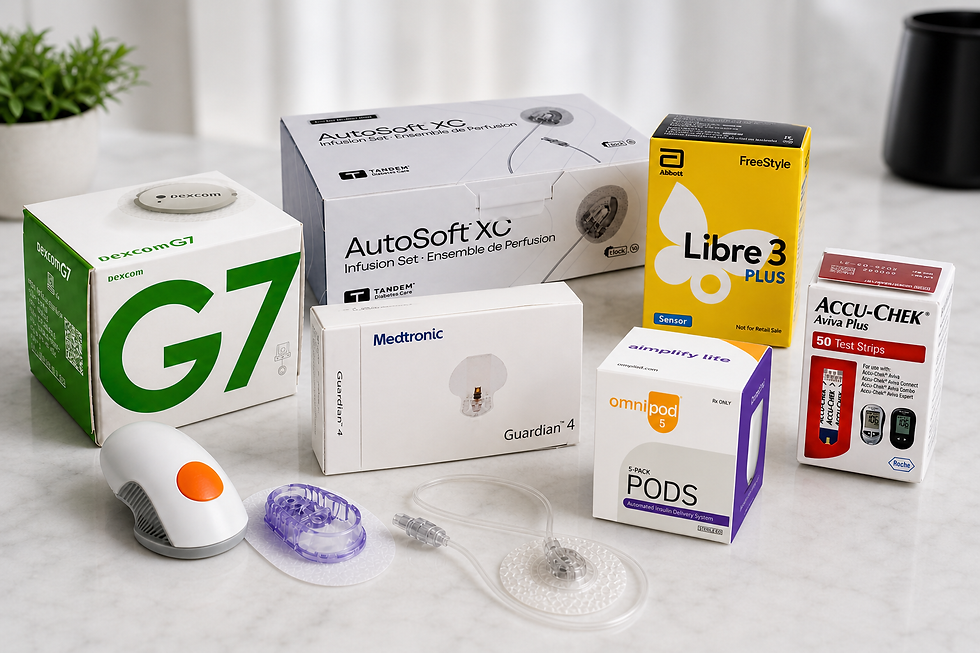
This is where we connect the dots for our community in Oakland. Managing diabetes is expensive. Test strips, lancets, CGM sensors, and medications add up quickly.
If you achieve remission:
- You may stop needing expensive insulin or medications.
- You will use fewer testing supplies.
- You will reduce your risk of costly complications like heart disease and kidney failure.
If you are like James and have successfully reduced or eliminated your medication, you may have extra, unopened, unexpired diabetic supplies sitting around. Instead of letting them go to waste—or expire on your shelf—**we pay cash for diabetic supplies**.
We buy test strips, CGM sensors (Dexcom, Omnipod), and insulin pump supplies from sellers in **Oakland, CA, and the greater Bay Area**. It’s a simple way to declutter your home and earn extra money while helping others access supplies they need.
---
Frequently Asked Questions (FAQ)
Can I "cure" my type 2 diabetes permanently?
No. Medical professionals use the term **remission**, not cure. Remission means your blood sugar is normal without medication, but the condition can return if you regain weight or revert to unhealthy habits.
How much weight do I need to lose to reverse diabetes?
Research suggests losing around **15 kg (33 pounds) or 10-15% of your body weight** within the first few months significantly increases your chances of remission.
Is a low-carb diet or a low-calorie diet better for remission?
Both work. The key is losing weight. A very low-calorie diet (meal replacements) has the strongest evidence from the DiRECT trial, but low-carb diets have also shown high success rates (around 47% remission) in real-world studies.
Is surgery necessary to reverse diabetes?
No. While bariatric surgery is effective, studies show that extreme calorie restriction alone can produce similar or even better improvements in blood sugar control than surgery. Diet and lifestyle are powerful tools.
Can everyone achieve remission?
No. Success is more likely if you have had diabetes for a shorter duration (less than 6 years) and are overweight. However, even if you don't achieve full remission, losing 5% of your body weight can improve blood sugar and reduce your risk of complications.
What happens if I go into remission? Do I stop checking my blood sugar?
You should still attend regular check-ups with your healthcare provider. While you may reduce your testing frequency, maintaining a healthy lifestyle is crucial to staying in remission.
---
Your Next Steps: Start Today
Reversing diabetes is not a myth. It is a scientifically proven reality for many people. But it takes commitment, support, and a clear plan.
1. **Talk to your Doctor:** Do not stop or change medications without medical supervision.
2. **Choose a Diet:** Whether you pick the low-calorie or low-carb route, commit to it fully for 3 months.
3. **Move Your Body:** Start walking daily. It’s free and effective.
And as you start your journey—whether you're aiming for remission or simply managing your condition—remember that you have options.
If you have unopened boxes of test strips or sensors cluttering your drawer, don't toss them. Turn them into cash today.
**We pay cash for diabetic supplies in Oakland, CA, and the greater Bay Area.**
**Contact us now for a quick, no-hassle quote.** We offer local pickup and competitive prices. Take control of your health and your budget—one step at a time.
---
**Disclaimer:** This blog is for informational purposes only and does not constitute medical advice. Always consult with your healthcare provider before starting any diet, exercise, or medication changes related to diabetes remission.

Comments